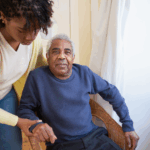


Engaging older adults with dementia in meaningful mental activities is an excellent way to support memory, focus, and emotional well-being. These exercises not only stimulate the brain but also create joyful, shared moments between caregivers and residents.
1. Memory and Reminiscence Games
Simple memory games can help trigger positive emotions and encourage conversation. Activities like looking through photo albums, matching old pictures, or playing “Guess Who?” with family photos help strengthen recall and reinforce a sense of identity and belonging.
2. Word and Language Activities
Word-based games such as crossword puzzles, word searches, or naming items in a category (“things you find in the kitchen”) help keep language skills active. For those with more advanced dementia, caregivers can simplify the task by offering prompts or multiple-choice options.
3. Music and Singing
Music is one of the most powerful tools for reaching people with dementia. Listening to familiar songs, singing along, or tapping to the rhythm can spark memories, lift mood, and improve communication.
4. Puzzles and Sorting Tasks
Jigsaw puzzles with large pieces, sorting colored buttons, or arranging shapes can be calming and stimulating at the same time. These activities promote hand-eye coordination and give a sense of accomplishment.
5. Sensory and Art Activities
Painting, coloring, or working with clay engages multiple senses and allows for self-expression. Even simple tactile activities like feeling different textures or arranging flowers, can be soothing and mentally engaging.
6. Simple Board and Card Games
Familiar games such as dominoes, bingo, or matching cards encourage focus, recognition, and social interaction. Caregivers can adjust the rules or simplify them to match each person’s cognitive level.
7. Storytelling and Conversation Prompts
Ask open-ended questions such as “What was your favorite holiday?” or “What games did you play as a child?” This not only stimulates memory but also strengthens emotional connections and communication.
Mental exercises and games for people with dementia are about more than memory, they’re about joy, connection, and purpose. By tailoring activities to each individual’s abilities and interests, caregivers can help maintain cognitive function while enriching daily life with comfort and companionship.
HireLivin Homecare provides highly trained caregivers that will help your loved ones safely engage in daily tasks through fun activities. It is HireLivin’s priority to assist the elderly and disabled in tasks that will help maintain or improve their mental status.