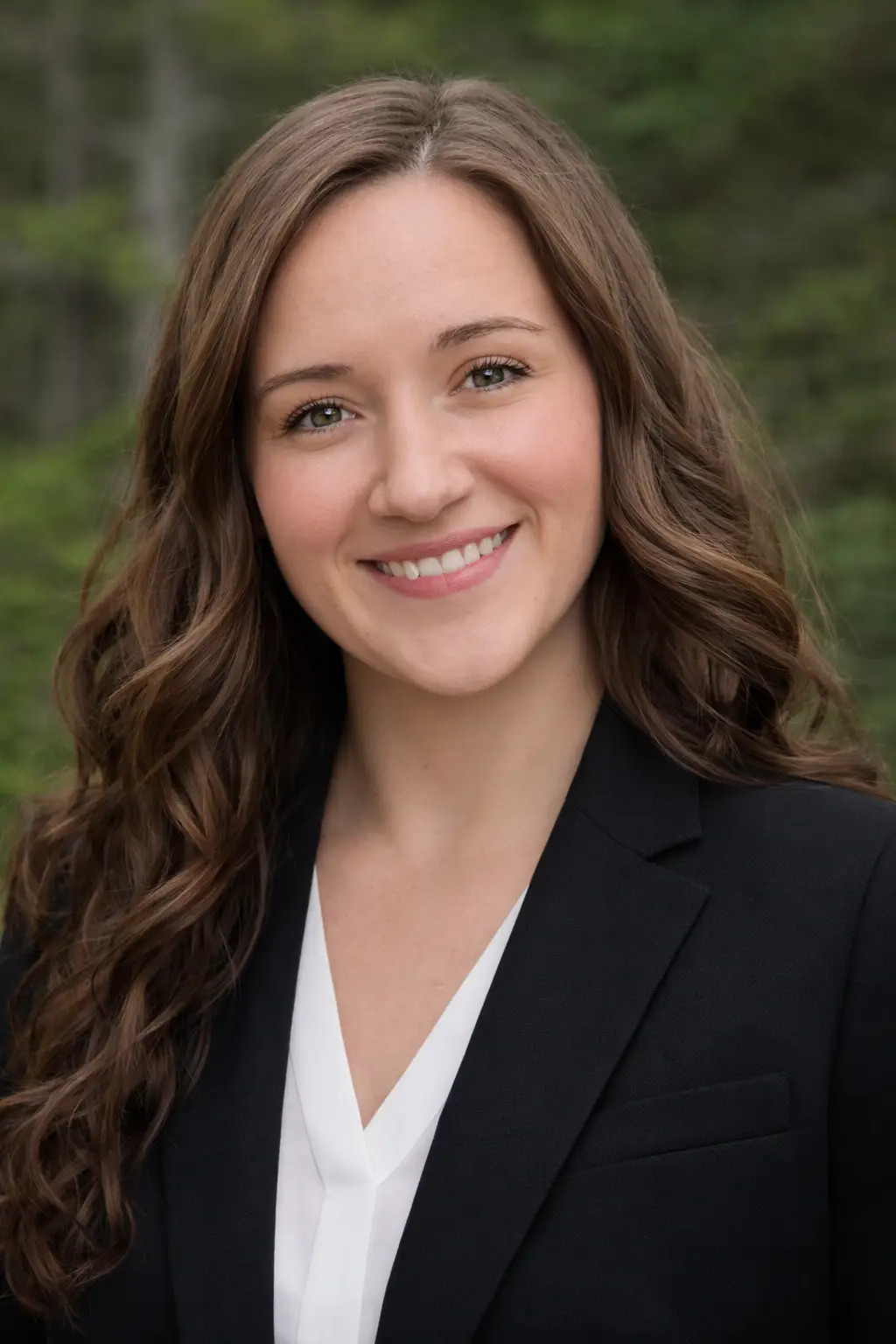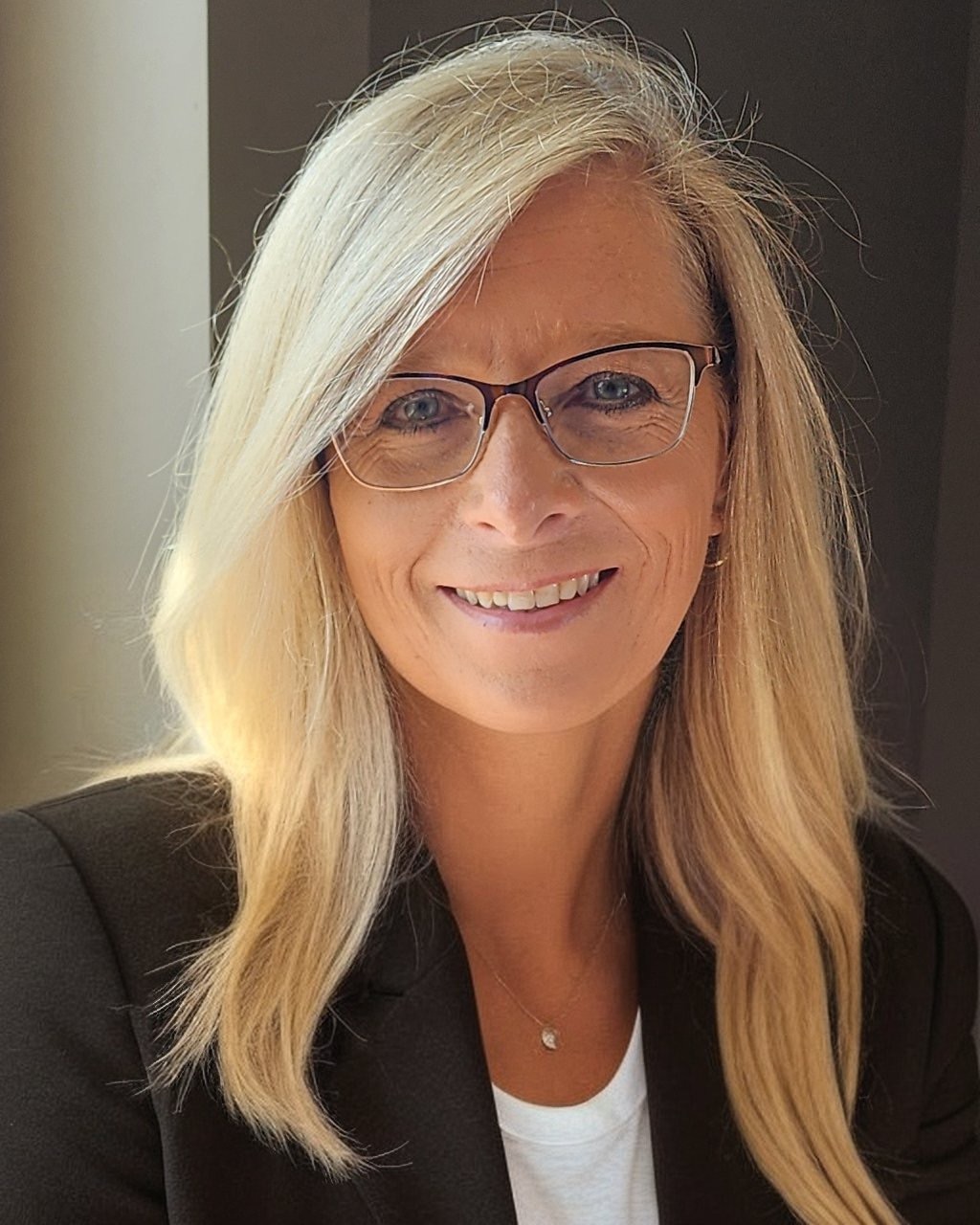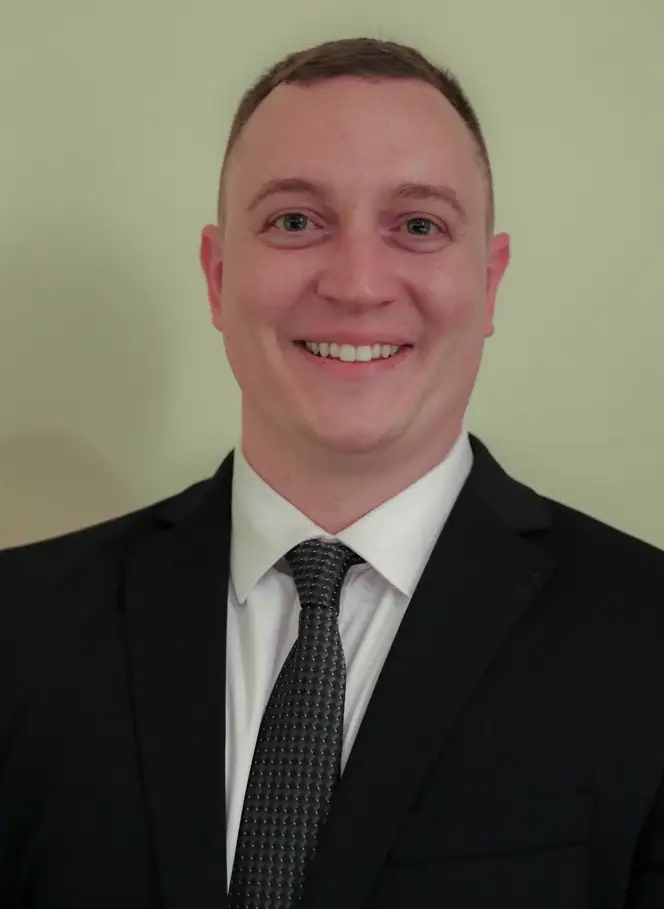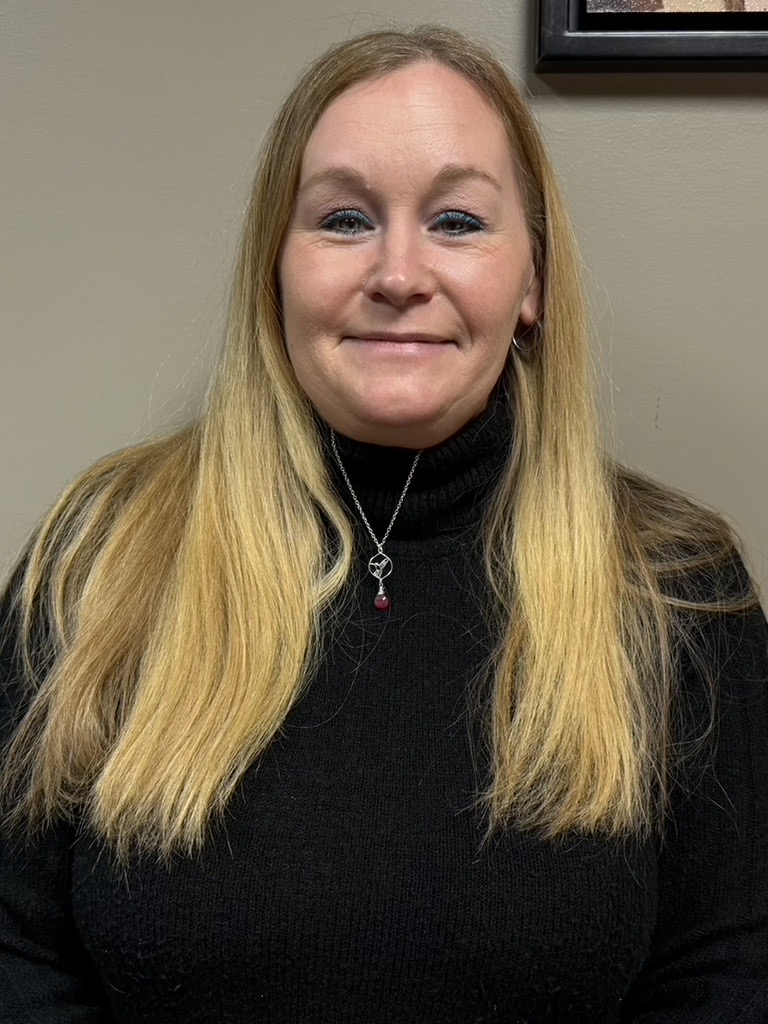
When a caregiver enters your loved one’s home, trust matters.
At HireLivin Homecare, our caregivers are carefully screened, trained, and evaluated before being assigned to provide care. Our team includes Personal Care Attendants (PCAs), Licensed Practical Nurses (LPNs), and experienced caregivers selected for their compassion, reliability, professionalism, and ability to safely support clients in their homes.
We combine thorough screening with comprehensive hands-on training, competency testing, ongoing education, and supervision.
Our goal is simple: families should feel confident about the caregiver entering their loved one’s home.
Comprehensive Screening
Before a caregiver is placed with a HireLivin Homecare client, we take multiple steps to evaluate the individual’s background, qualifications, and suitability for caregiving.
Depending on the position and applicable requirements, our screening process may include:
- Pennsylvania criminal background checks
- FBI fingerprint-based background checks
- Employment and reference verification
- Driving record review when transportation is part of the caregiver’s responsibilities
- Drug screening
- QuantiFERON-TB blood testing or other appropriate tuberculosis screening
- Health and physical capability assessments
- Verification of applicable licenses, certifications, and credentials
Background screening is only part of our hiring process. We also evaluate communication skills, dependability, professionalism, prior caregiving experience, and the individual’s ability to work respectfully with seniors and other adults who require assistance.
PCA Training Through CareWide
HireLivin Homecare relies on CareWide for our comprehensive PCA training program.
CareWide’s training goes far beyond basic online instruction. Caregivers receive detailed education and hands-on skills training designed to prepare them for the situations they may encounter while caring for clients in their homes.
Training concludes with competency testing, and caregivers participate in continuing competency training each year.
Activities of Daily Living and Independent Living
One of the foundations of home care is understanding the difference between Activities of Daily Living (ADLs) and Instrumental Activities of Daily Living (IADLs).
Caregivers are trained to assist clients while encouraging them to maintain as much independence as safely possible.
Training includes areas such as:
- Understanding ADLs and IADLs
- Consumer control and independent living philosophy
- Meal preparation and feeding
- Personal hygiene
- Bathing and grooming
- Dressing
- Brief and incontinence care
- TED stocking assistance
- Shaving
- Hair care
- Oral care
- Skin and nail care
- Toileting assistance
- Changing occupied and unoccupied beds
- Intake and output monitoring
- Daily weights
The objective is not simply to perform tasks for a client. Whenever appropriate, caregivers are encouraged to help clients participate in their own care and maintain their independence.
Alzheimer’s, Dementia and Behavioral Training
Caring for someone living with Alzheimer’s disease or another form of dementia requires patience, understanding, communication, and specialized techniques.
CareWide training includes:
- Dealing with difficult behaviors
- Alzheimer’s and dementia care
- Dementia de-escalation techniques
- Caregiver and client communication
- Recognizing changes in a client’s condition
- Understanding the five senses and how sensory changes can affect communication and behavior
This training helps caregivers respond calmly and appropriately when a client may be confused, anxious, frightened, frustrated, or experiencing behavioral changes.
Mobility, Transfers and Fall Prevention
Mobility assistance is an important part of caring for many older adults.
CareWide provides hands-on instruction covering:
- Proper body mechanics
- Assisting with ambulation
- Proper use of gait belts
- Walker assistance
- Fall prevention
- Safely lowering a client to the floor
- Safe transfer techniques
- Slide board transfers
- Hoyer lift use when appropriate
- Range-of-motion exercises
- Repositioning
- Pressure ulcer prevention
Caregivers are trained to use appropriate techniques to help protect both the client and caregiver from injury.
Infection Control and Safety
Home caregivers work closely with clients, making infection prevention and universal safety procedures especially important.
Training includes:
- Universal precautions
- Basic infection control
- Proper handwashing
- Personal protective equipment
- Proper PPE donning and doffing
- Handling emergencies
- Recognizing and reporting critical incidents
HireLivin Homecare also incorporates appropriate health screening into our hiring process, including QuantiFERON-TB testing or other tuberculosis screening when applicable.
QuantiFERON is a blood test used to help identify tuberculosis infection and is one component of our broader effort to protect both caregivers and the clients they serve.
Vital Signs and Observing Changes in Condition
Caregivers often spend more time with a client than anyone else during the day. Because of this, they may be among the first people to notice that something has changed.
CareWide trains PCAs in recognizing and reporting important changes in a client’s condition.
Training may include:
- Temperature
- Pulse
- Respirations
- Blood pressure
- Pulse oximetry
- Daily weights
- Understanding levels of pain
- Recognizing changes in physical or behavioral condition
- Proper documentation and reporting
Caregivers are trained to report concerns according to the client’s care plan and agency procedures rather than independently diagnosing medical conditions.
Nutrition, Diabetes and Special Diet Considerations
Nutrition and hydration can play an important role in a client’s overall well-being.
Caregiver education includes:
- Meal preparation
- Feeding assistance
- Fluid restrictions
- Salt restrictions
- Sugar restrictions
- Diabetic foot care
- Intake and output
Caregivers follow the client’s established care plan and any instructions provided by the appropriate healthcare professionals.
Medication Assistance
CareWide training also addresses assisting clients with pre-poured medications when permitted by the client’s care plan, agency policies, and applicable regulations.
Caregivers are trained to understand the distinction between providing permitted medication assistance or reminders and performing functions that require a licensed healthcare professional.
Toileting and Personal Care Skills
Personal care is one of the most private aspects of home care. Caregivers are trained to provide assistance respectfully while protecting the client’s dignity.
Training includes:
- Bedpan assistance
- Commode assistance
- Urinal assistance
- Catheter care within permitted caregiver responsibilities
- Emptying urinary drainage bags
- Emptying colostomy bags
- Incontinence care
- Bathing
- Dressing
- Grooming
- Skin care
Respect, privacy, communication, and client choice remain important throughout every personal care task.
Hospice, Palliative and End-of-Life Support
Families caring for a loved one near the end of life may require a particularly compassionate and patient caregiver.
CareWide’s curriculum includes training related to:
- Hospice care
- Palliative care
- End-of-life support
- Client comfort
- Family communication
- Maintaining dignity and respect
HireLivin caregivers work alongside the client’s hospice, medical, and family support team. They do not replace hospice nurses or other licensed professionals.
Abuse Recognition, Confidentiality and Professional Boundaries
Technical caregiving skills are only part of providing quality care.
CareWide training also emphasizes professional conduct and the responsibility caregivers have toward vulnerable clients.
Training includes:
- Types and signs of abuse
- Reporting critical incidents
- Documentation
- Confidentiality
- Professional codes of conduct
- Appropriate PCA and client boundaries
- Caregiver and client communication
- Dress code and professional appearance
- PCA interview and communication skills
Caregivers are expected to treat every client with dignity, respect, privacy, and professionalism.
Competency Testing and Annual Training
Training is not considered complete simply because a caregiver attended a class.
CareWide’s PCA program includes a competency examination designed to confirm that caregivers understand the information and skills covered during training.
Training also continues after initial employment through yearly competency education and evaluation.
This ongoing education helps reinforce important skills and keeps caregivers focused on safety, professionalism, infection prevention, communication, client rights, and quality care.
Training Does Not Replace Licensed Medical Care
HireLivin Homecare provides non-medical personal care and support services.
Although our caregivers receive extensive education regarding chronic conditions, vital signs, mobility, personal care, dementia, infection control, and other health-related topics, caregivers do not replace physicians, nurses, therapists, or other licensed medical professionals.
Caregivers perform only those services permitted within their role, the client’s established care plan, agency policy, and applicable law.
More Than Simply Placing a Caregiver in the Home
Choosing a home care provider means trusting someone with a person who matters deeply to you.
That is why HireLivin Homecare combines criminal background screening, FBI fingerprinting when applicable, QuantiFERON-TB screening, reference verification, health screening, comprehensive CareWide PCA training, hands-on skills education, competency testing, and annual continuing education as part of our approach to caregiver quality.
We are not simply looking for someone who can fill a shift.
We want caregivers who are prepared to provide compassionate, respectful, dependable support while helping clients maintain their safety, dignity, independence, and quality of life at home.